
HIV/STI TEST
About STI
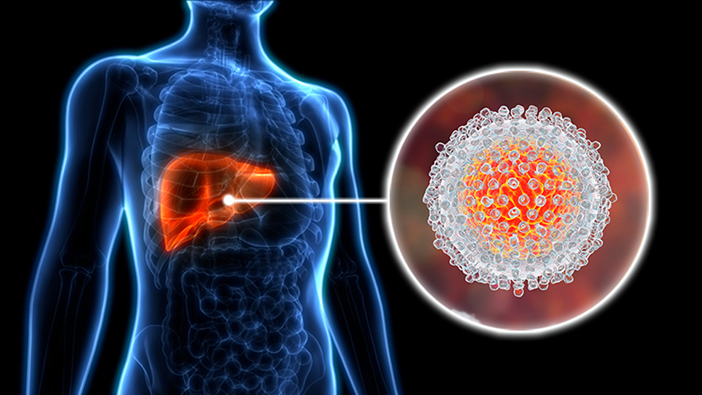
Hepatitis C is a liver disease caused by the hepatitis C virus (HCV). It can range from a mild illness to a serious long-term infection that may lead to liver damage, cirrhosis, or liver cancer. It is transmitted when infected blood— even in very small amounts— enters the bloodstream. There is no vaccine for hepatitis C, but it can be cured with antiviral treatment.
Hepatitis C spreads through contact with infected blood.
You may be at risk if you :
Share needles, syringes, or other injection equipment
Receive medical or cosmetic procedures using non-sterile equipment
Receive blood that has not been properly screened
(In Korea, donated blood is carefully screened, and the risk of infection through blood transfusion is extremely low.)
Transmission can occur from mother to baby and through sexual activity involving blood exposure, but these routes are less common. You cannot get hepatitis C from hugging, kissing, sharing food or drinks, coughing, or casual contact.
After infection, people may have no symptoms or only mild symptoms. If symptoms appear, they usually develop between 2 weeks and 6 months after exposure and may include fever, fatigue, nausea, abdominal pain, dark urine, pale stools, joint pain, or yellowing of the skin or eyes (jaundice).
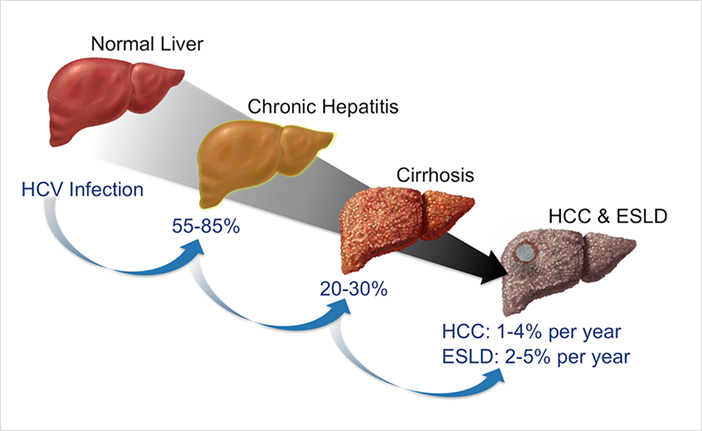
Less than half of people clear the virus naturally within six months, while most develop chronic hepatitis C. Chronic infection often causes no noticeable symptoms for many years. Even without symptoms, the virus can slowly damage the liver and may lead to cirrhosis, liver failure, or liver cancer if untreated. Early testing and treatment can cure most infections and prevent serious complications.
Hepatitis C often causes no symptoms. The only way to know if you have it is to get tested.
Testing is done in two steps :
A blood test checks for hepatitis C antibodies (anti-HCV) to see if you have ever been infected.
If the result is positive, a second test (HCV RNA test) checks whether the virus is currently in your blood.
Some people clear the virus naturally, but their antibody test may remain positive. Therefore, an RNA test is needed to confirm whether there is an active infection that requires treatment. If chronic hepatitis C is diagnosed, a healthcare provider may assess the condition of the liver before starting treatment.
Hepatitis C can be cured with direct-acting antiviral (DAA) medications. Treatment usually involves taking oral medication for 8–12 weeks. These medications cure more than 95% of cases and usually cause few side effects. Starting treatment early helps prevent liver damage. Even after being cured, reinfection can occur if
exposed to infected blood.
There is no vaccine for hepatitis C. You can reduce your risk by avoiding contact with infected blood.
You can reduce your risk by :
Never sharing needles, syringes, or injection equipment
Making sure tattoos, piercings, or medical procedures use sterile equipment
Using condoms during sex, especially when there is a risk of blood exposure
For people who inject drugs, using sterile needles and avoiding shared equipment is important. Needle exchange programs and other harm-reduction services can help lower the risk. For people with hepatitis C, protecting the liver by avoiding alcohol and maintaining a healthy lifestyle is also important.
하단영역

Gireum Center : 1F, 209, Dongsomun-ro, Seongbuk-gu, Seoul
Ansan Center : 4F, 15-1, Wongok-ro, Danwon-gu, Ansan, Gyeonggi-do
Busan Center : 2F. 101-4, Beomil-ro, Dong-gu, Busan
Tel : +82-2-927-4322 / +82-10-2654-4322 E-mail : khap@kaids.or.kr
Copyrights ⓒ 2014 khap.org. All right reserved. 홈페이지제작 웹사이트blog